
A Vital, Evolving Industry
Plumbing keeps homes, businesses, and entire cities running. From large industrial systems to your bathroom tap, plumbing is essential — and offers a wide range of opportunities.
If you want to thrive in this dynamic field, it helps to understand:

Construction Plumbing
Plumbers in construction install systems in new buildings:
They work closely with engineers and architects to design efficient, safe systems that meet strict codes.Construction projects offer exciting variety — but also demand flexibility and problem-solving under tight deadlines.
Residential
(Maintenance) Plumbing
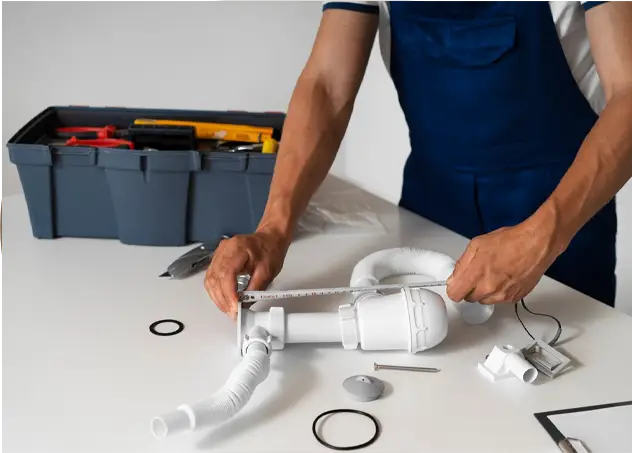
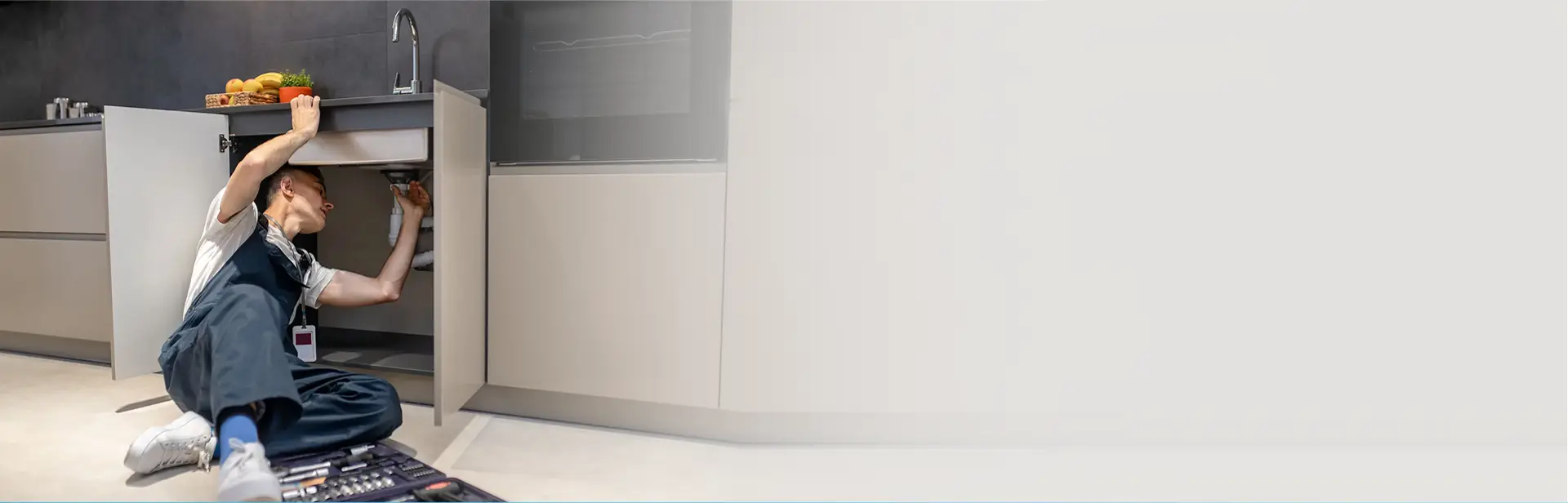
Residential Plumbers work in homes, ensuring:

They handle tasks from fixing leaks to installing new systems. Strong communication and trust with customers are key to success in this sector — and much of the work comes through referrals and repeat business.
Industrial Plumbing
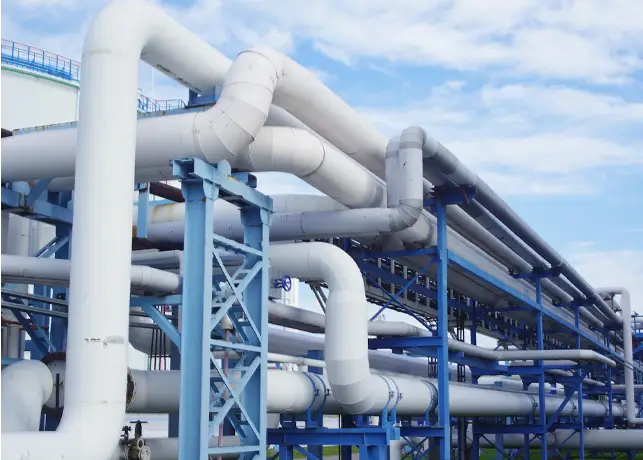
Industrial plumbers manage complex systems in:
They deal with:
Work is highly specialized and often demanding - But offers stability, advance skills, and the chance to contribute to critical infrustructure.
Specialized Plumbing
Specialized plumbers focus on advanced areas such as:
They use cutting-edge equipment and often lead projects in emerging sectors like renewable energy. Specialization can mean higher earnings, greater demand, and the chance to work on innovative projects — but requires ongoing training and certification.

Why Standards Matter
Strict regulations and standards protect:
Following these guidelines ensures systems are safe, reliable, and sustainable.

Key Regulations
South African plumbers must comply with:
 National Building Regulations &
Building Standards Act- Water Services Act
- Occupational Health & Safety (OHS) Act
These laws define what must be done to ensure plumbing work is legally compliant and safe.

Plumbing Codes & Standards
South African National Standards (SANS)
set detailed requirements for:
Following SANS is a professional obligation and ensures systems perform safely and reliably.

Installation/Design Standards:
Cover pipe sizing, placement, drainage, and more — to safeguard public health.

Manufacturing Standards:
Ensure pipes, fittings, and valves meet strict performance and safety benchmarks.

Safety Compliance:
OHS Act standards govern how plumbers work on site, protecting both workers and the public.
The Future of Plumbing
Plumbing is evolving — and so are the skills required.
Current Trend

Future Opportunities
As demand for sustainable solutions grows, so does the need for skilled plumbers who can:
 Retrofit old buildings with eco-friendly systems
- Install smart technologies
- Work on large-scale green infrastructure
By embracing innovation and continuous learning, plumbers can remain at the forefront of this changing industry.

Professional organizations:

Plumbing Industry Registration Board (PIRB):
Institute of Plumbing South Africa (IOPSA):